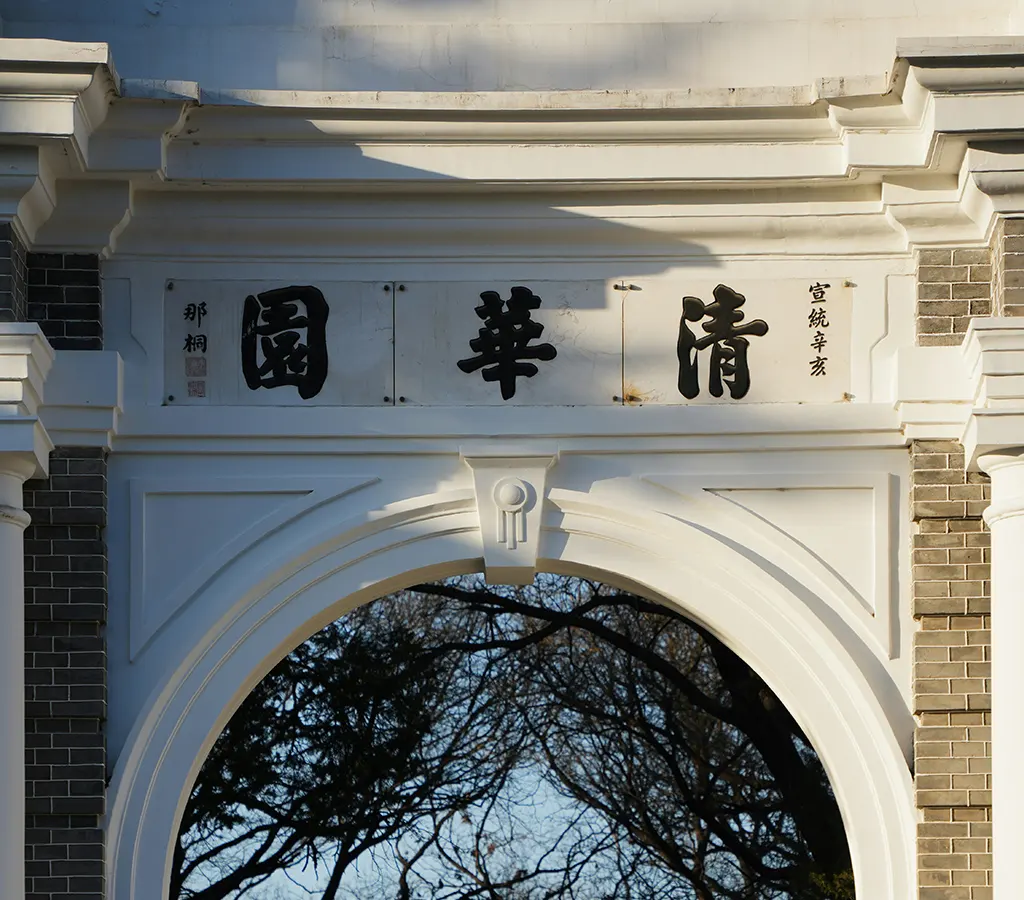
For international students coming to China, chopsticks are more than just eating utensils—they are an essential tool for daily dining and the first gateway into traditional Chinese culture. These seemingly simple pair of sticks carry thousands of years of culinary wisdom and vividly embody the philosophy of Chinese life. By mastering the correct technique and practicing diligently, you will be able to enjoy meals with ease and integrate into local life quickly.
I. A Cultural Journey: The Thousand-Year History of Chopsticks
Chopsticks, known as "Zhu" (箸) in ancient times, originated in China and serve as a symbolic icon of Chinese food culture. As early as the Neolithic Age, ancestors began using slender wooden sticks to retrieve food. After thousands of years of evolution, they have taken on the shape we recognize today.
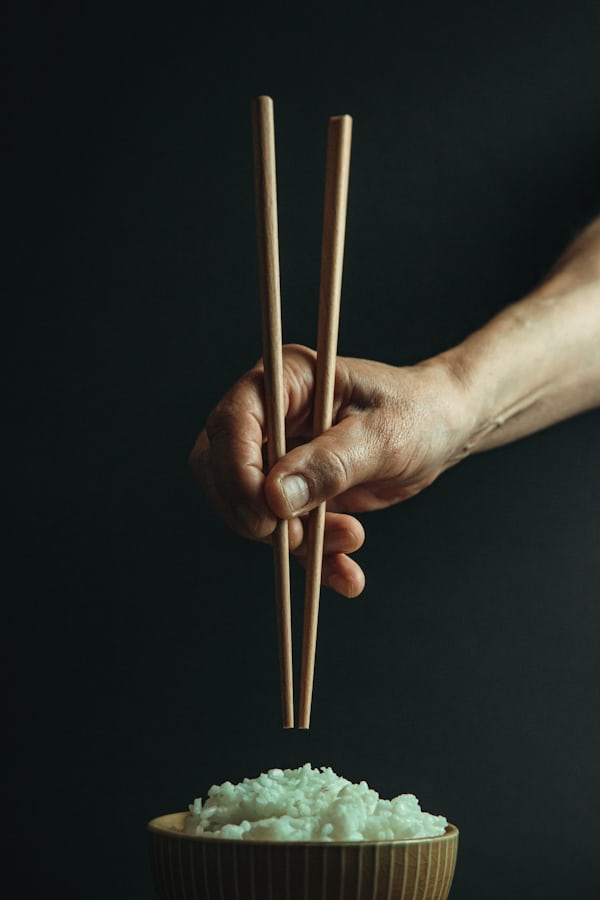
Chopsticks are not merely tableware; they also carry philosophical meaning. They typically measure seven inches and six fen (about 25 cm), symbolizing the "Seven Emotions and Six Desires" of human nature. Their shape is often round at the top and square at the bottom, representing the ancient cosmological view of "a round sky and a square earth." Using chopsticks requires the coordination of ten fingers and a balance of movement and stillness, perfectly reflecting the core Chinese cultural concepts of "harmony" (He) and "balance."
II. Practical Guide: A Zero-to-Hero Tutorial
Mastering chopsticks relies on proper technique. Beginners should remain patient and follow these steps to get started quickly.
The Standard Grip: Three-Finger Control & Dynamic Balance
Fix the Base: Hold one chopstick and place its thicker end between the base of your thumb and the base of your index finger. Rest the middle section against the first joint of your middle finger. This chopstick acts as the "base" and remains stationary throughout use.
Control the Top: Hold the second chopstick with the tips of your thumb, index, and middle fingers—similar to holding a pencil. Adjust their position so that the tips of both chopsticks are aligned evenly.
The Core Motion: When picking up food, only move the upper chopstick. The lower chopstick must stay still. Use the closing force of the two tips to grip food; avoid stabbing or tightly clenching them in your fist.
Practice Progression: From Difficult to Easy
Beginner's Choice: Start by practicing with large, rough-surfaced foods like meat chunks, vegetables, or fried items. These are easy to grip and help build confidence quickly.
Advanced Challenge: Once you master the basics, try picking up small or slippery items like rice grains, noodles, or beans. This requires precise control over pressure and finger movement.
Real-World Practice: It is highly recommended to practice in the canteen. As the saying goes, "Paper knowledge feels shallow; true understanding comes from practice." The more you eat, the more dexterous your hands will become.
III. Etiquette & Literacy: Details of Civilized Dining
In China, knowing how to use chopsticks is one thing; knowing the etiquette is another. These details are essential for integrating into local life and demonstrating personal refinement.
Daily Dining Etiquette Standards
Elegant Demeanor: Keep your bowl and chopsticks tidy. Avoid tapping on bowls or plates with your chopsticks, and maintain a quiet and composed dining atmosphere.
Proper Placement: During breaks or when finished eating, place your chopsticks flat on a chopstick rest or the edge of your plate. Avoid sticking them vertically into a bowl of rice or soup, as this resembles funeral rites and is considered taboo.
Polite Interaction: While talking, maintain a humble posture. Do not point the tips of your chopsticks at others, as this is considered rude.
Considerate Serving: Only pick up food directly in front of you. Do not rummage through dishes or dig for specific ingredients, as this affects the dining experience of others.
Appropriate Reach: Serve yourself from nearby dishes. If you need food from a distant plate, either lean in slightly to reach it or politely ask someone nearby to pass it to you. Do not stretch across the table.
Principles of Civilized Dining
It is encouraged to use "serving chopsticks" (Gongkuai) when sharing dishes, which is both hygienic and civilized. Additionally, take only what you can eat and cherish the food—avoiding waste is a traditional virtue in China.
IV. Classic Moments: Chopsticks and Chinese Cuisine
Once you master chopsticks, you unlock the rich flavors of Chinese cuisine and embark on a feast for the senses.
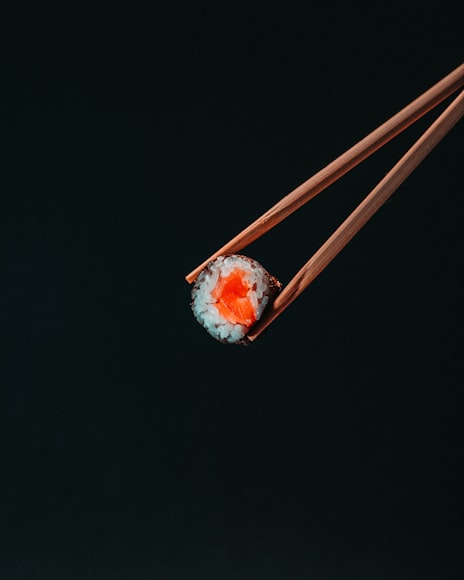
Chinese Dim Sum: Use chopsticks to lift plump dumplings or Shaomai, feeling the soft dough and savory filling. When eating Cheung Fun (rice noodle rolls), use your chopsticks to roll them up from one end before dipping them in sauce for the best taste.
Traditional Dishes: When eating steamed fish, gently part the flesh with your chopsticks to savor its freshness.
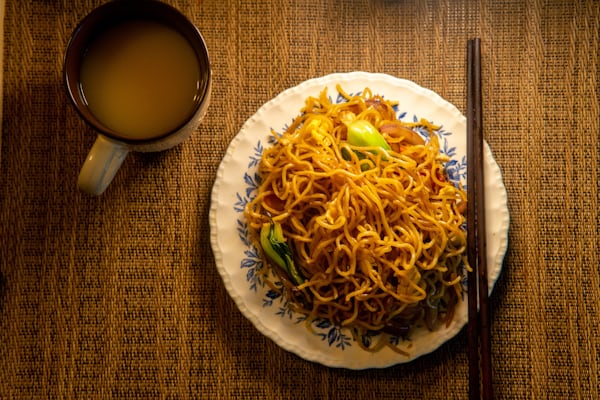
Specialty Snacks: Whether it’s noodles or Tangyuan (sweet rice balls), flexible chopsticks ensure you don't miss a single bite while enjoying the charm of street food.
V. A Cultural Bridge: Understanding China Through Chopsticks
Chopsticks are a microcosm of Chinese culture. Learning to use them signifies respect and understanding for local customs. They teach us about cooperation, balance, and moderation in life.
During your studies in China, the journey from picking up chopsticks for the first time to skillfully enjoying a lavish Chinese banquet is a process of growth in itself. May you, while tasting various Chinese delicacies, transform these small sticks into a bridge of friendship connecting you to China, creating unforgettable memories of your study abroad experience.