If you are planning to study in China and hope for more than superficial sightseeing, wishing to gain an immersive understanding of profound Chinese history, Shanxi is your ideal destination for higher education.
Known as “a land enclosed by mountains and rivers”, Shanxi preserves China’s richest collection of ancient architecture and cultural heritage, including the Yungang Grottoes in Datong, Pingyao Ancient City, Mount Wutai, Mian Mountain in Jiexiu, Mount Heng, Jinci Temple in Taiyuan, Yingxian Wooden Pagoda and Huangcheng Prime Minister Mansion. These historic sites tell stories spanning thousands of years. International students may explore these time‑honored relics outside class and experience living Eastern civilization.
A gallery of ancient monuments: Encounter textbook‑style Chinese history in‑person
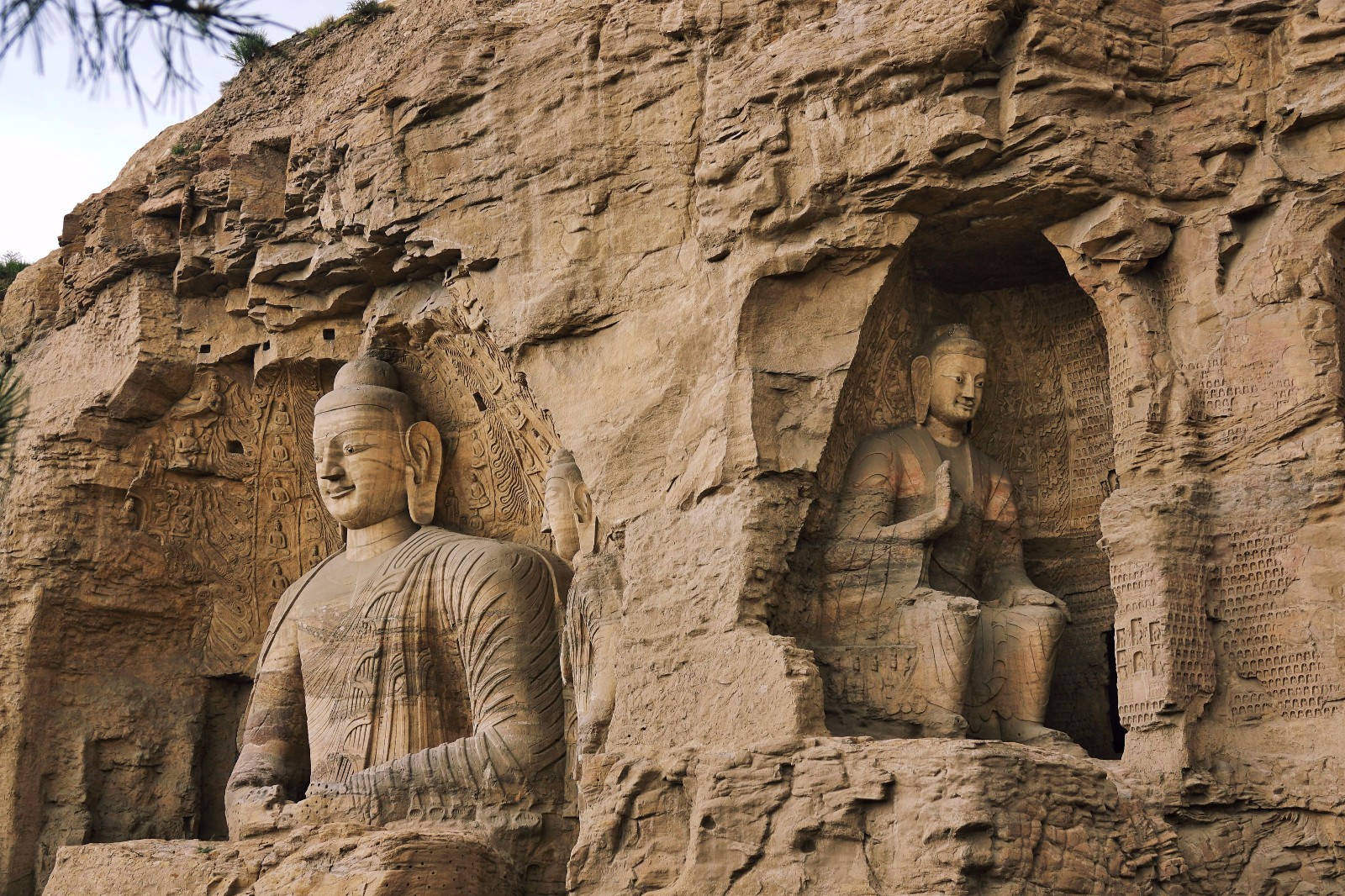
Yungang Grottoes (Datong) A UNESCO World Heritage Site and one of China’s four great grotto complexes. Carved by craftsmen from multiple regions during the Northern Wei Dynasty, it houses over 50,000 stone Buddha statues. Blending Central Plains and Central Asian artistic styles, it bears witness to ancient cultural exchanges along the Silk Road. Visitors can appreciate ancient sculpture, religion and aesthetics.
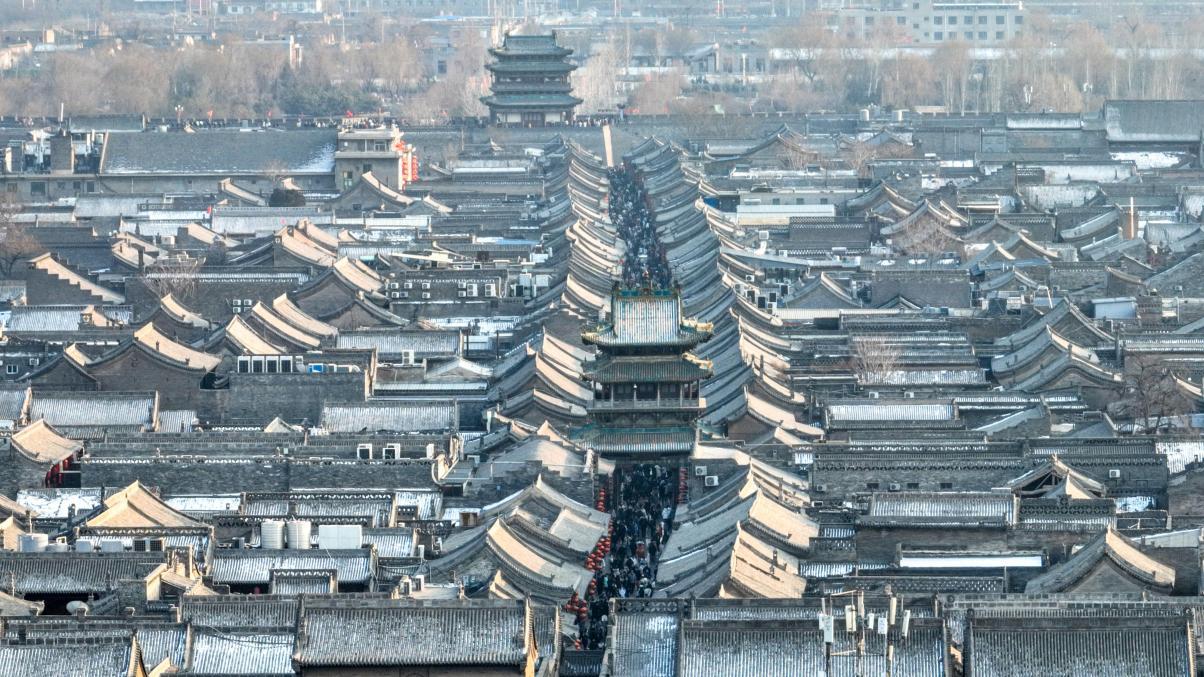
Pingyao Ancient City The best‑preserved county‑level city from the Ming and Qing dynasties. With stone‑paved lanes, traditional merchant houses and intact city walls, it was once a hub for Shanxi merchants. Wandering through its streets, students can learn about ancient urban planning and the integrity‑centered business culture of Shanxi merchants.
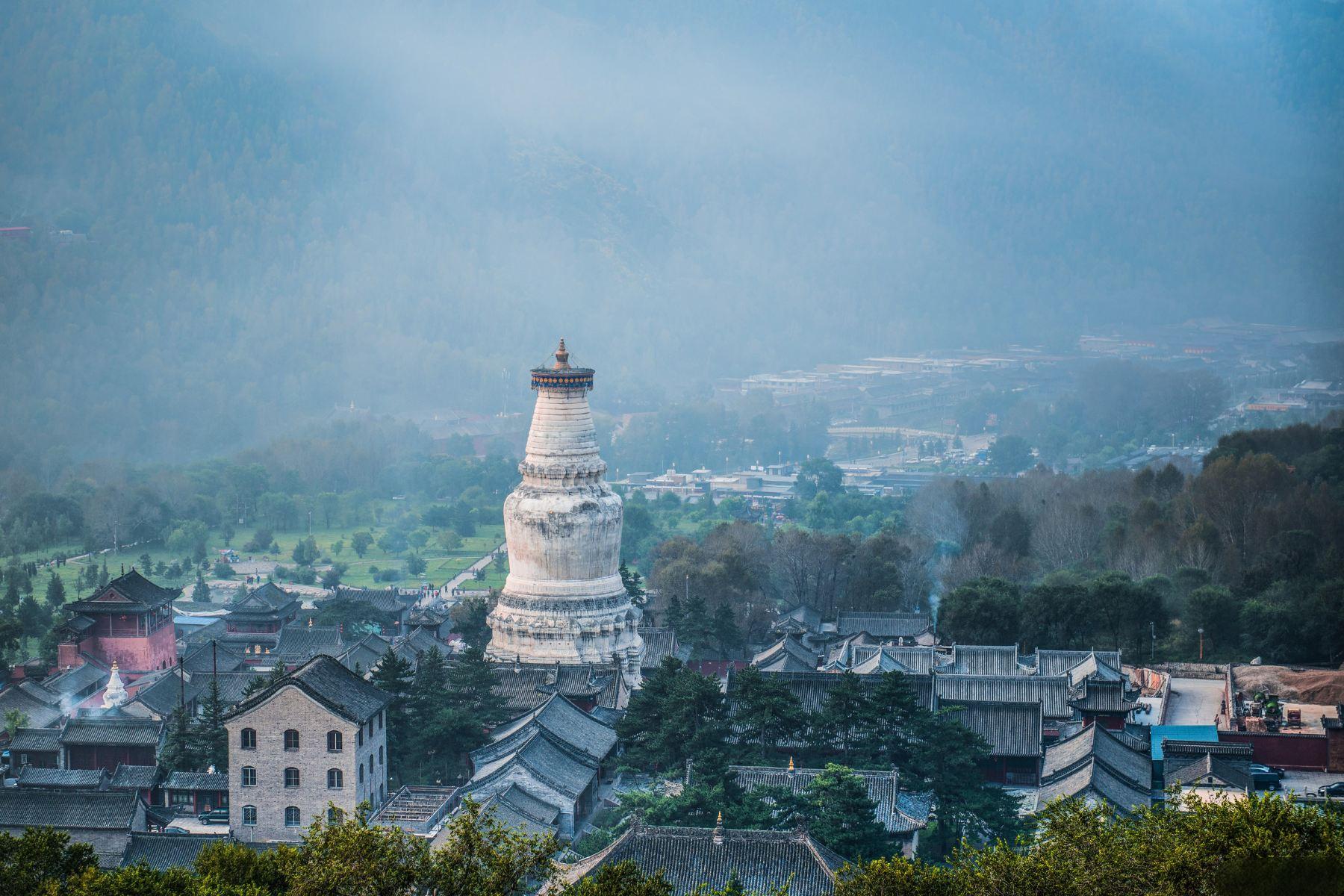
Mount Wutai Ranked first among China’s four great Buddhist mountains and a World Heritage Site. Dozens of ancient temples scatter across its mountains, boasting ancient buildings, murals and painted sculptures. It offers excellent field‑study resources for researching ancient Chinese religion and architecture.
Mian Mountain (Jiexiu) Birthplace of the Cold‑Food Festival (Qingming Festival origin). Perched cliff‑side temples stand amid steep landscapes, linked to the ancient legend of Jie Zitui. International students can learn about traditional Chinese festivals and values of gratitude and propriety.
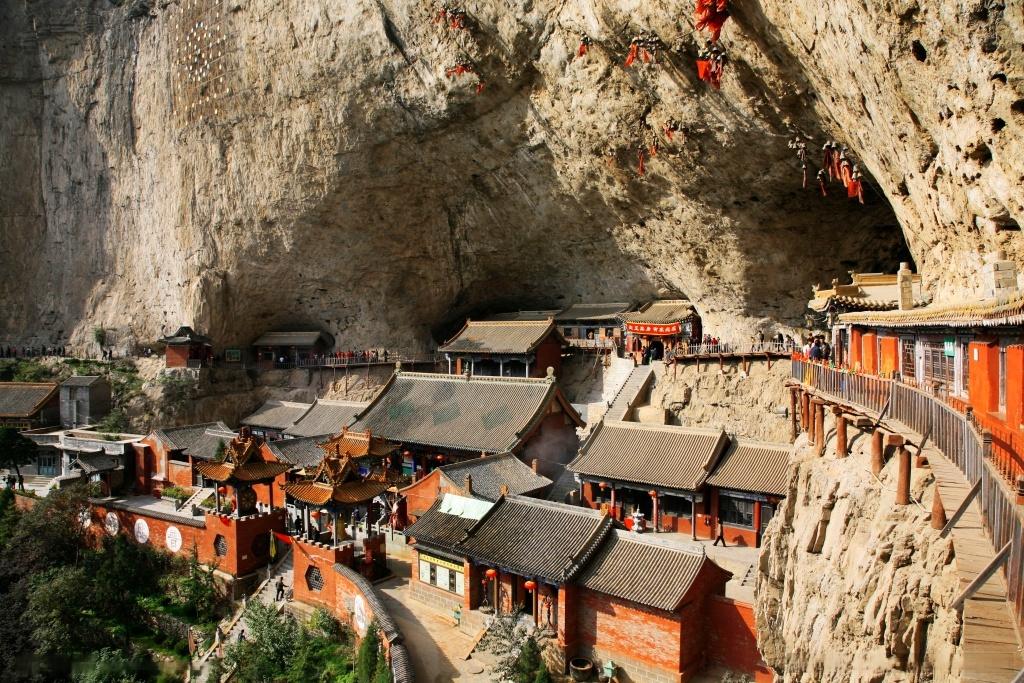
Mount Heng A majestic mountain of the Taihang Range. The Hanging Temple clings to a steep cliff, integrating Confucian, Buddhist and Taoist cultures, showcasing extraordinary ancient construction skills.

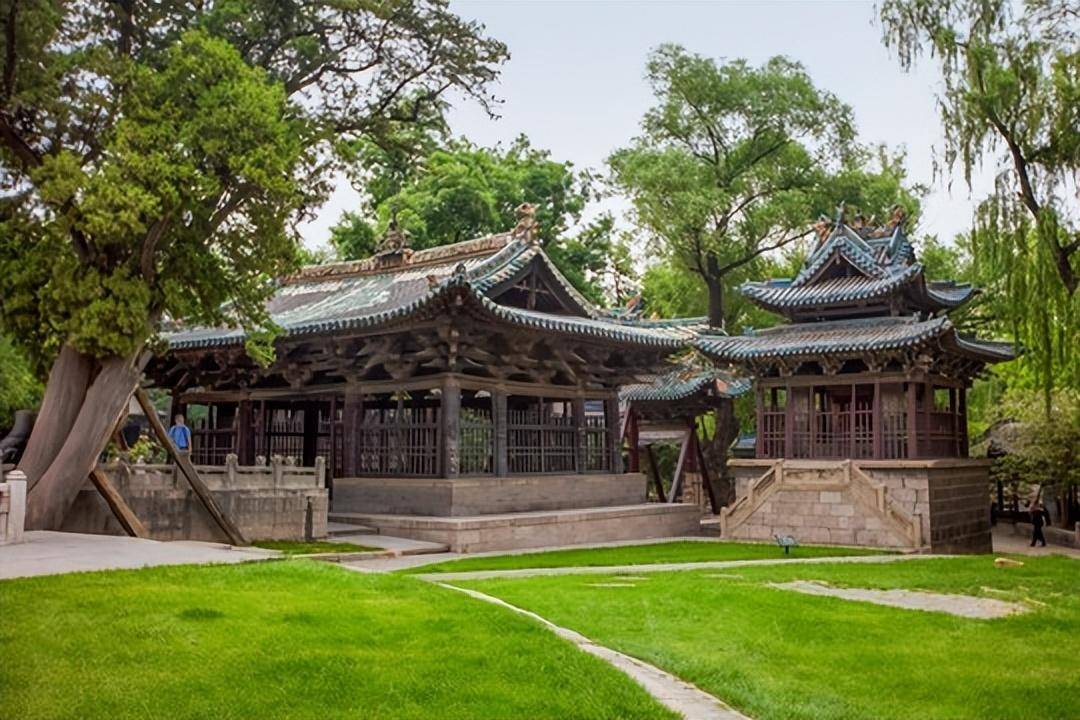
Jinci Temple (Taiyuan) The cultural heart of Shanxi. Home to age‑old cypresses, well‑known Song‑dynasty painted maidservant sculptures, ancient bridges and halls. As China’s earliest surviving imperial sacrificial garden, it records the long history of the ancient Jin State.
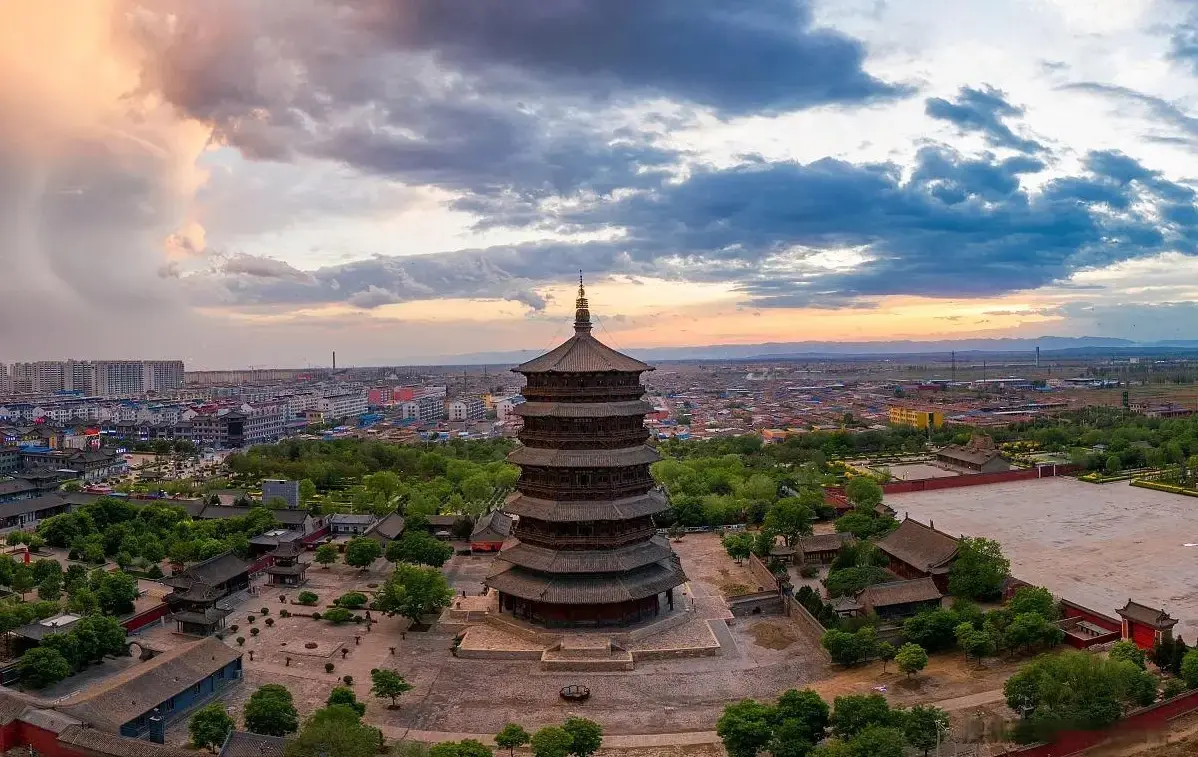
Yingxian Wooden Pagoda (Sakyamuni Pagoda of Fogong Temple) The world’s tallest and oldest existing full‑wood pagoda. Built entirely by mortise‑and‑tenon joints without a single nail, it has stood for over a thousand years. Together with the Leaning Tower of Pisa and the Eiffel Tower, it counts among the world’s three great architectural wonders. It is perfect for field research by engineering and architecture majors.
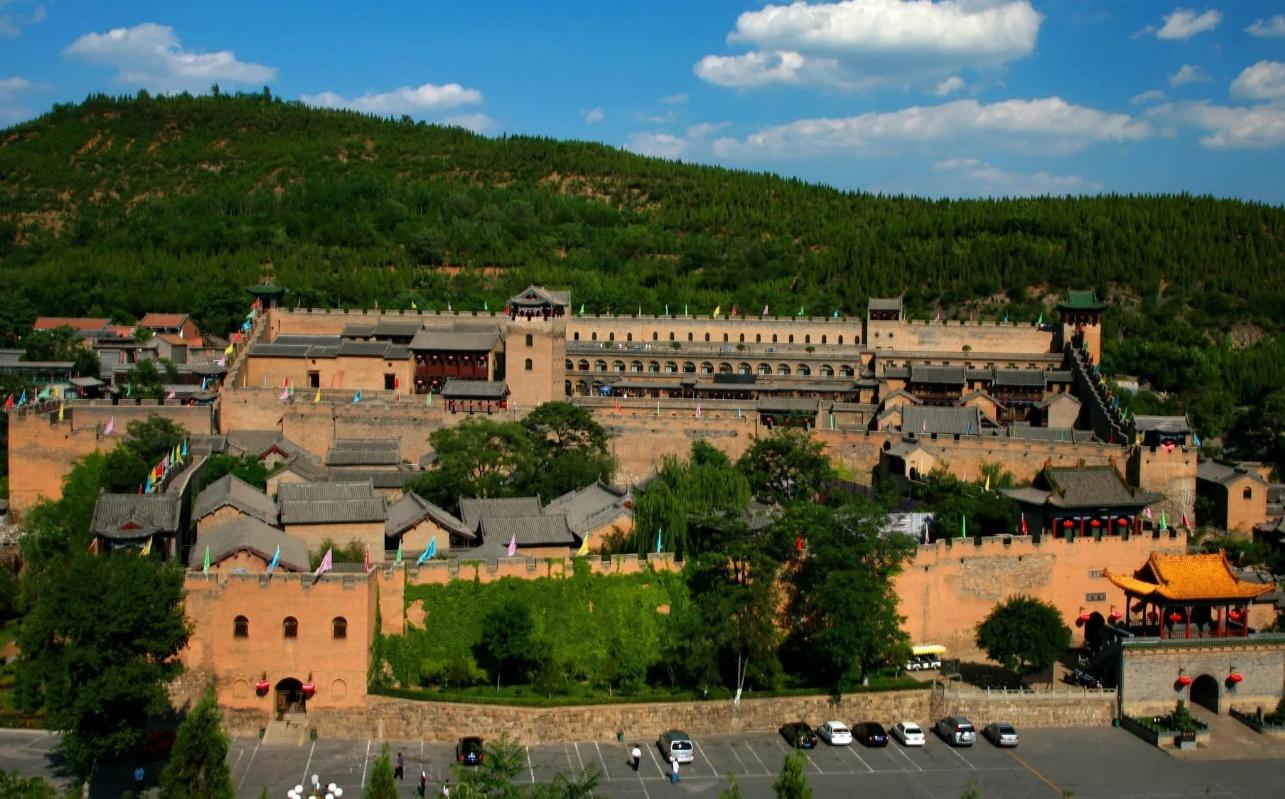
Huangcheng Prime Minister Mansion A grand fortified complex built for a high‑ranking Qing‑dynasty official. It combines castles, academies and residences, representing northern Chinese fortress‑style architecture and revealing traditions of scholar‑official families and ancient academy education.
Local life in Shanxi: Warm‑hearted folk customs rooted in the Yellow‑River civilization
Shanxi people are honest and hospitable. This land nurtures distinctive Yellow‑River folk culture. Famous as a “kingdom of noodles”, it features Daoxiao (sliced) noodles, youmian kaolaolao, Pingyao beef and Taigu cakes. Huamo, intangible‑cultural‑heritage flower‑shaped steamed buns, are delicate festival artworks conveying best wishes. During festivals, drum performances, folk yangko dances and Shanxi opera come alive. Foreign students can easily integrate into local communities, learning to make noodles and decorative steamed buns in villages to experience authentic folk traditions.
Study in Shanxi: Quality academic platforms & generous scholarship opportunities
Shanxi hosts many reputable universities offering complete bachelor’s, master’s and doctoral programs, including Chinese‑taught, English‑taught degrees and Chinese‑language courses. Eligible international students may apply for the Chinese Government Scholarship (CSC), Shanxi Provincial Government Scholarship for international students and university‑specific grants. Outstanding candidates can receive tuition waivers, accommodation subsidies and living allowances. Universities regularly organize “Perceiving China” study tours, taking international students to grottoes, ancient cities and heritage sites, extending classroom learning to real‑world historic landmarks. Students majoring in Chinese language, history, architecture, art and medicine gain exceptional hands‑on learning resources here.
Why choose to study in Shanxi?
✅ A museum of ancient Chinese architecture with dense World‑Heritage sites accessible within one province
✅ Cradle of Yellow‑River civilization; integrated cultures of Shanxi merchants, Confucianism, Buddhism and Taoism for deep insights into Chinese cultural roots
✅ Full‑range degree programs and abundant scholarships easing financial pressure
✅ Moderate living costs, safe communities and welcoming local residents
✅ Rich cultural activities for on‑site studies of ancient architecture, intangible heritage and folk customs
Study in Shanxi: pursue knowledge on campus, trace millennia‑long cultural heritage across its mountains and rivers, and embark on your unique study‑in‑China journey.