When selecting a university, many international students consider rankings, majors and city locations. However, they often overlook one vital factor that shapes your quality of life throughout your study years — local weather.
China is a vast country spanning a wide range of latitudes, with varying distances from the sea and diverse landforms, which creates rich and varied climates. Its thermal zones cover the tropics, subtropics, warm temperate zone, mid‑temperate zone, cold‑temperate zone and the Qinghai‑Tibet Plateau. This brings you an exciting opportunity: you can choose your favourite climate first, then find high‑quality universities in matching regions. Keep this climate‑based university‑selection guide for reference.
1. Winter‑lovers: Head North for a Fantastic Winter Experience
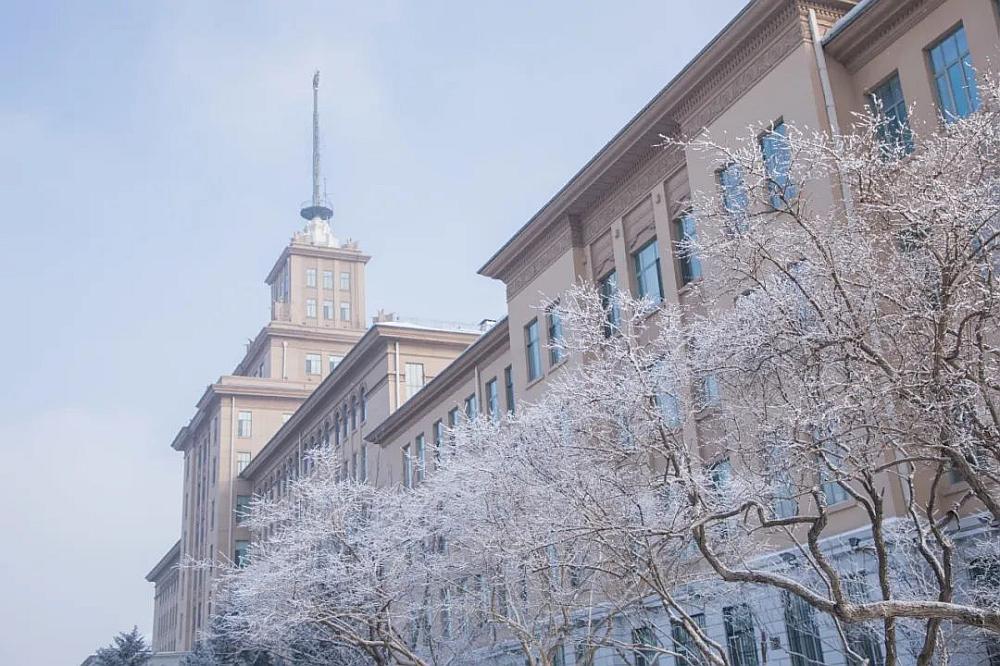
In winter, there is a sharp temperature gap between northern and southern China. While the south stays mild, the north turns bitterly cold, with temperatures below ‑30℃ in Mohe, Heilongjiang Province. If you wish to experience a genuine winter, Harbin is an ideal choice. Top‑ranked universities including Harbin Institute of Technology and Harbin Engineering University are located here. You can enjoy ice‑skating, skiing and the famous Ice‑Snow World, turning winter into a wonderful festival. Just pack a thick down jacket, since central heating indoors is so warm that you may even wear short‑sleeves inside buildings.
2. Cold‑sensitive Students: Choose Regions Where Winter Temperatures Stay Above 0℃
South of the 0℃ isotherm, winter temperatures generally remain above zero. Sanya in Hainan usually sees temperatures over 20℃ in winter. If you cannot stand cold weather, you may consider these options:
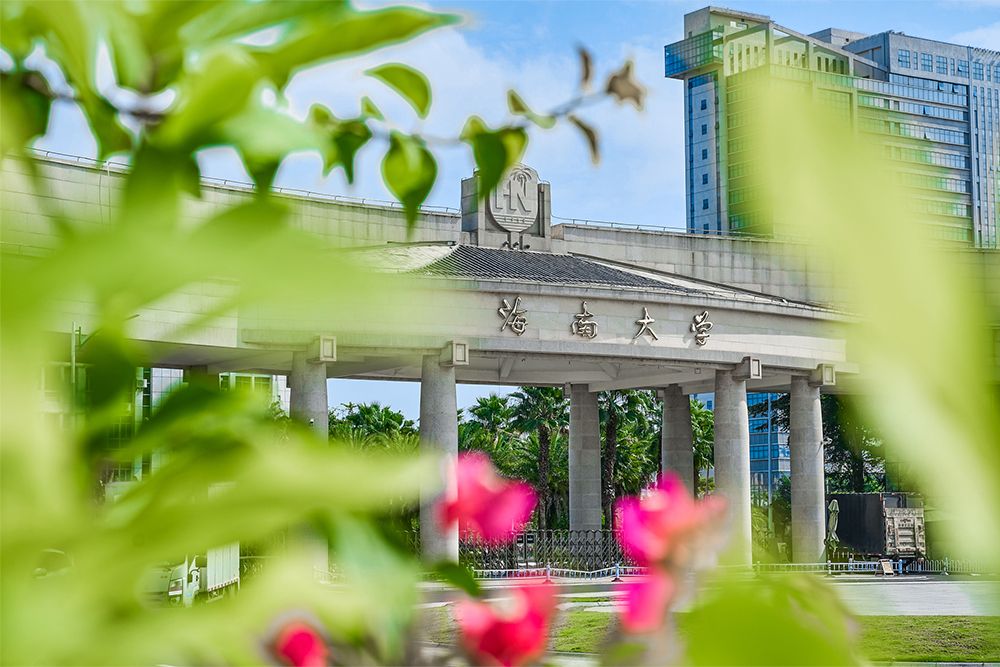
Tropical Hainan: Hainan University sits on this warm island, where coconut breezes and coastal scenery are part of daily campus life.
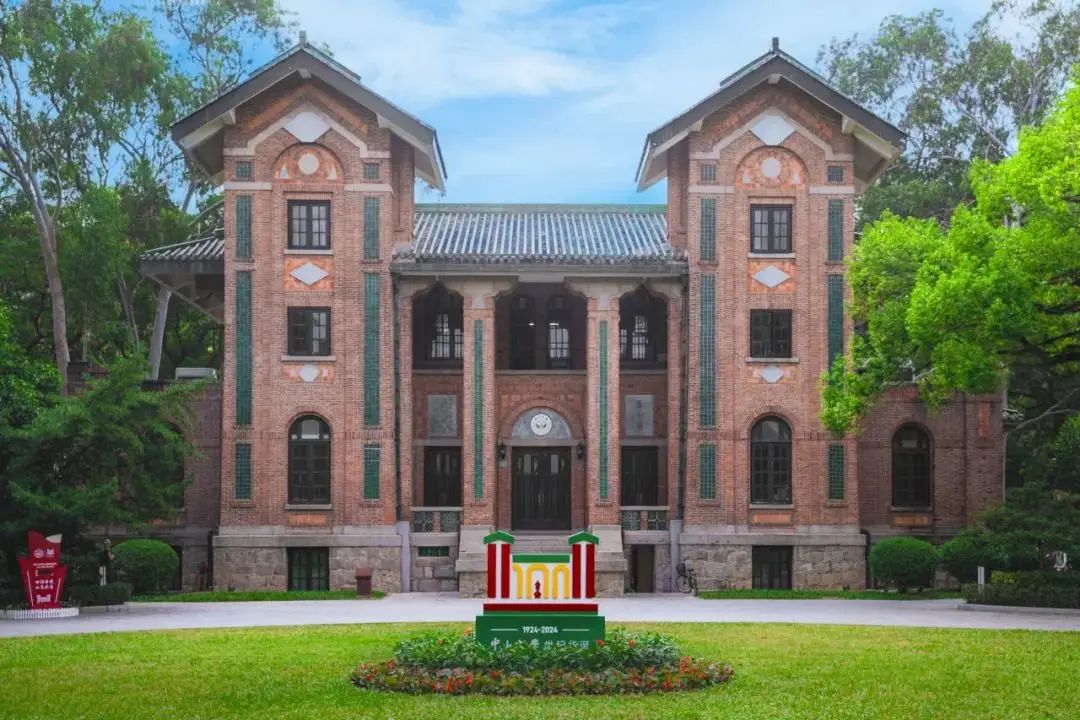
Subtropical South‑East China: Sun Yat‑sen University and South China University of Technology in Guangzhou, as well as Fudan University and Shanghai Jiao Tong University in Shanghai. These cities feature mild winters and ever‑green landscapes, together with abundant internship resources and convenient urban facilities.
3. Lovers of Four Distinct Seasons: Warm‑temperate Zones Offer Full‑season Experiences
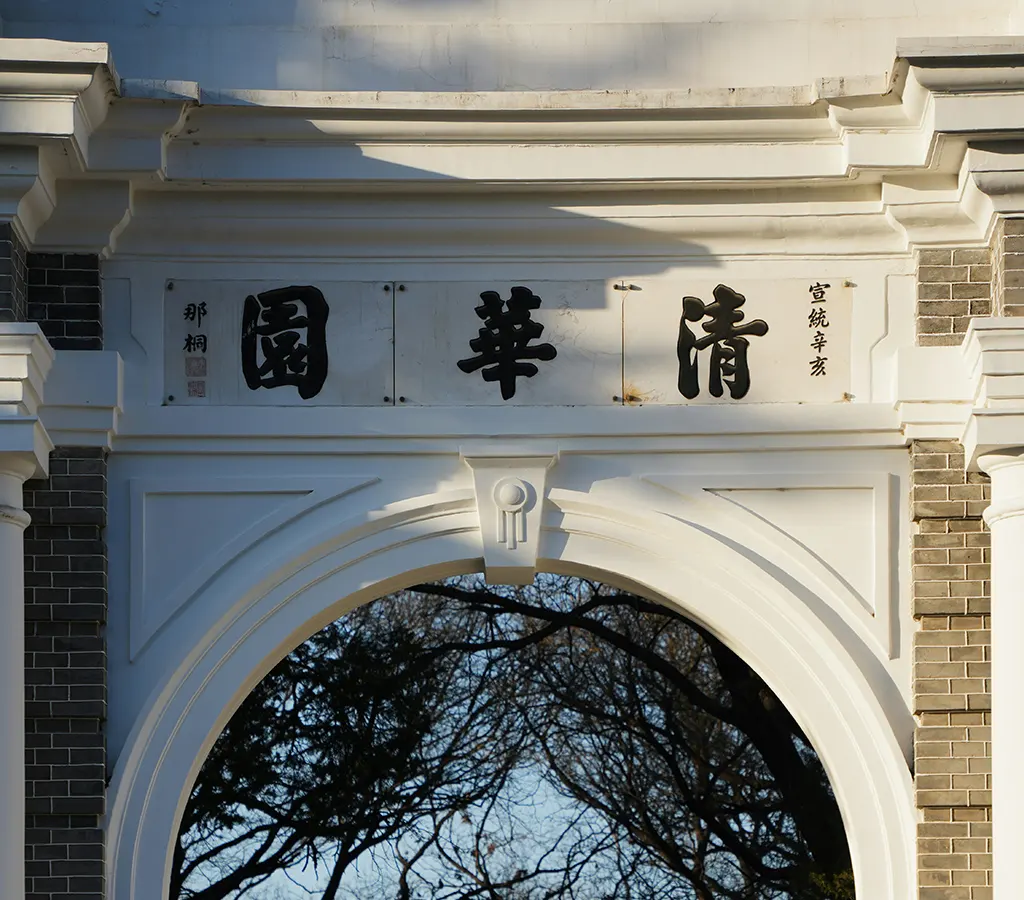
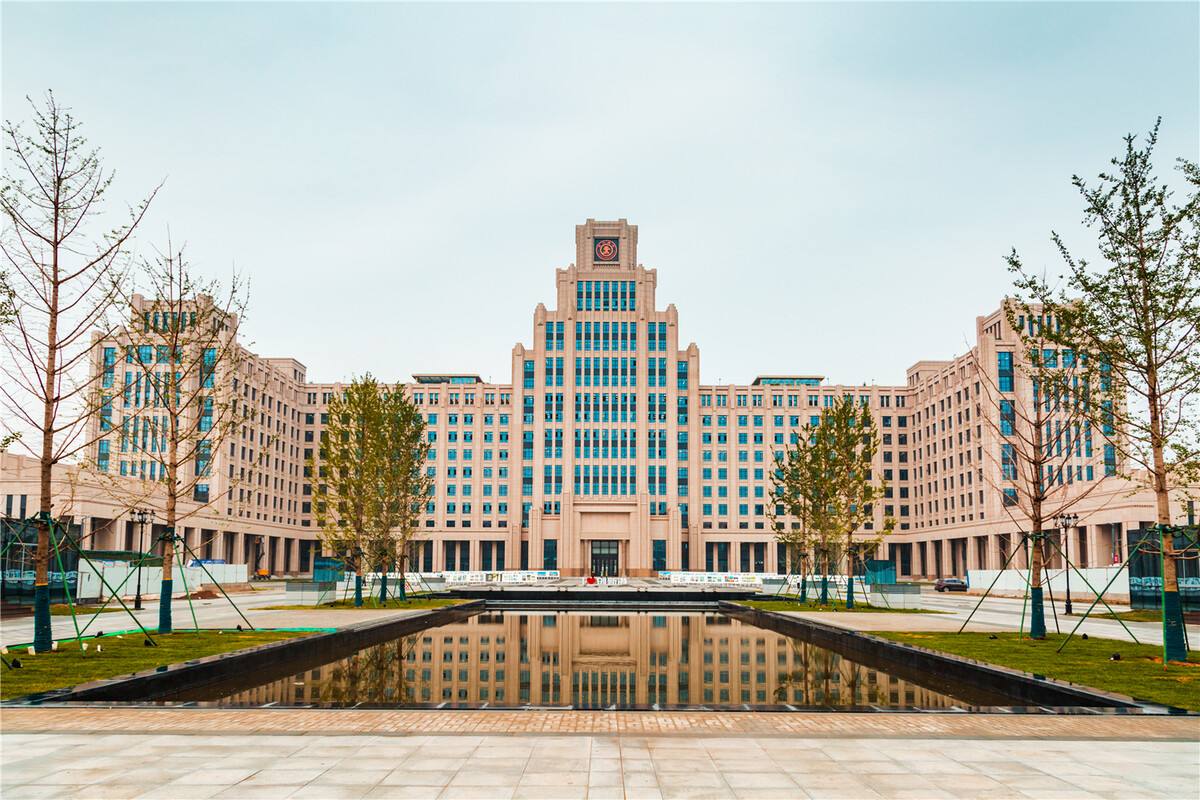
If you enjoy clear‑cut seasons — blooming flowers in spring, summer rains, colourful autumn leaves and winter snow — the warm‑temperate zone will suit you perfectly. Cities such as Beijing, Xi’an and Tianjin host a large number of prestigious universities: Tsinghua University, Peking University, Renmin University of China, Xi’an Jiaotong University, Nankai University and many more. You can enjoy snow in winter and cool shade in summer, with ever‑changing scenery like an endless picture book.
4. Summer‑heat Avoiders: Cool Plateau and High‑latitude Alternatives
Summer brings hot weather across most of China, with little north‑south temperature difference. Temperatures are usually above 20℃ nationwide, and many southern cities exceed 28℃. The Turpan Basin in Xinjiang is China’s summer heat centre, with an average July temperature of 32℃.
If you dislike hot summers, here are two solutions:
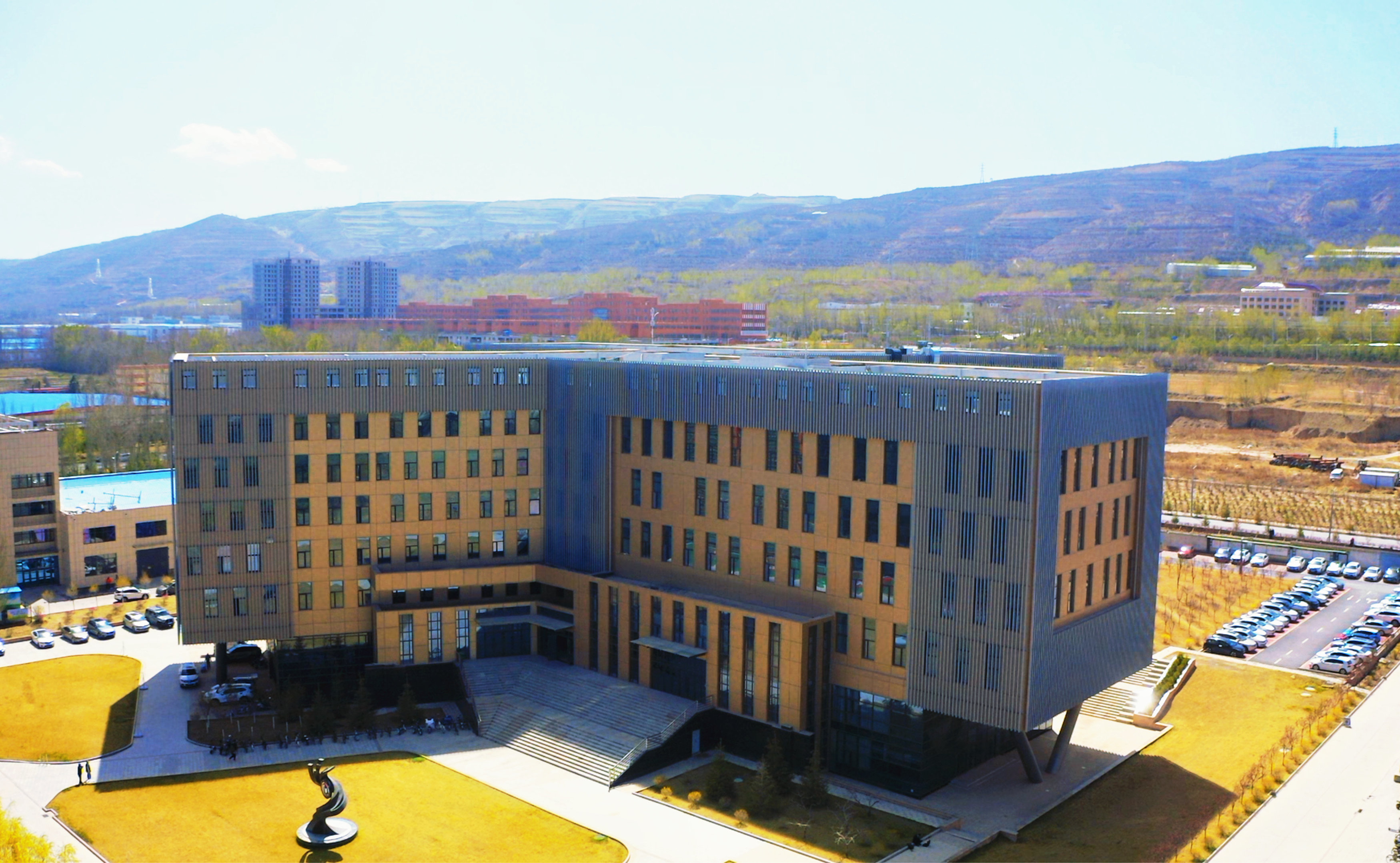
High‑altitude plateau areas: The Qinghai‑Tibet Plateau remains cool in summer. Universities like Qinghai University and Xizang University allow you to study in a “natural air‑conditioned” environment.
High‑latitude northern regions: Cities in the mid‑temperate and cold‑temperate zones enjoy pleasant summers, and you may even need a quilt at night.
5. University‑selection Formula: Climate Preference × University Strength
Follow this simple logic: start by deciding what kind of life you want to lead, then match your lifestyle with suitable cities and universities. Love snow → Northeast China Fear cold → South China Enjoy four distinct seasons → North China Prefer cool summers → Plateau or high‑latitude northern areas Every climate zone is home to excellent universities.
Choosing to study in China means far more than picking an educational institution; it is selecting the lifestyle you will live for the next few years. Follow us for more customized study‑in‑China advice on university selection based on cities, majors and lifestyles.