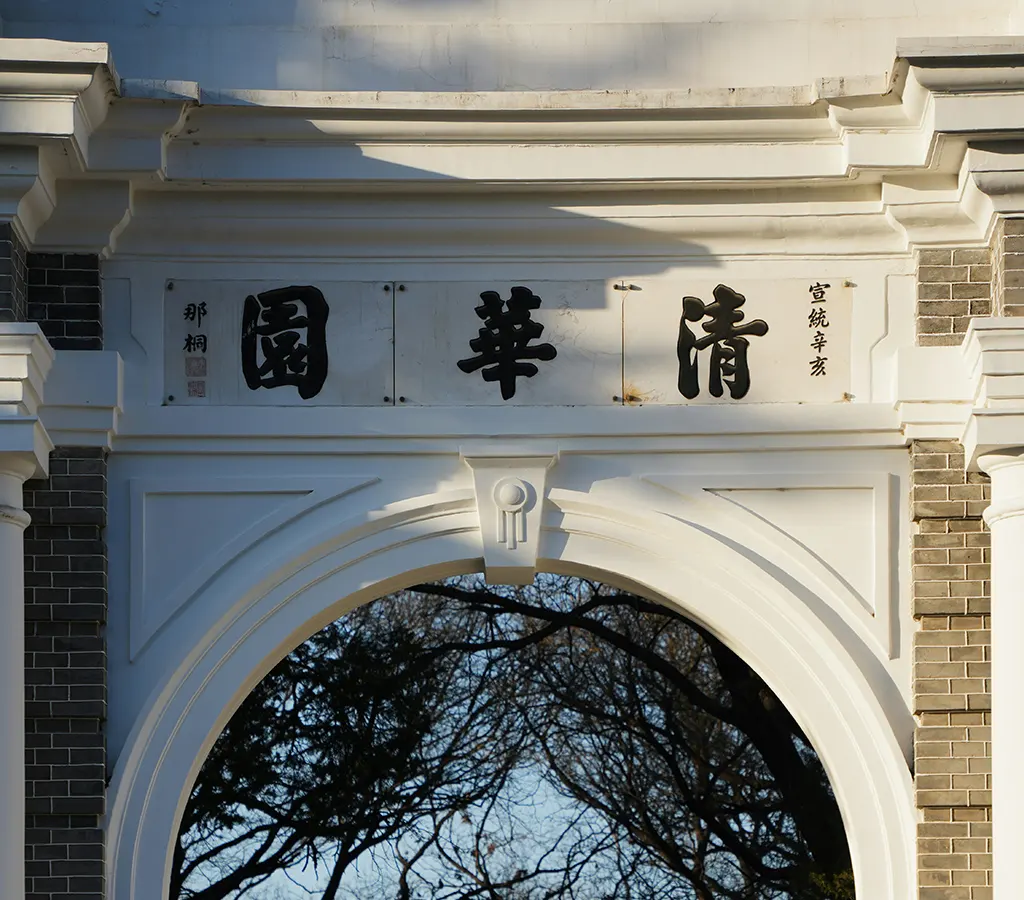
When you plan to study in China, you may think you are only going to learn a new language. In fact, you are about to open a living encyclopedia of civilisation. Home to 56 ethnic groups, China is a multi‑ethnic, multilingual country with numerous dialects and writing systems, offering countless treasures for language‑lovers and cultural explorers.
1. Mandarin: Your First Key to China
Putonghua (Mandarin) is China’s official national language. Based on Beijing pronunciation, northern dialects and classic modern Chinese writings, it serves as the standard form of Chinese. Once you master Mandarin, you can communicate freely with 1.4 billion people, from the Ice‑Snow World in Harbin to seafood stalls in Sanya. For international students, Mandarin is far more than a compulsory course. It is a valuable skill for internships, jobs and social life. As Chinese language learning gains global popularity, fluent Chinese has become an impressive advantage on international resumes.

2. Ten Major Dialects: A Living Language Museum
Modern Chinese includes the standard Mandarin and various local dialects, which are generally divided into ten branches: Mandarin, Jin, Wu, Hui, Min, Yue, Hakka, Gan, Xiang and Ping‑hua & local vernaculars. Cantonese heard on the streets of Guangzhou, the soft Wu dialect spoken in Suzhou lanes, or Minnan dialect over tea in Fujian, may carry ancient sounds from thousands of years ago. Linguists describe China’s dialect map as “living fossils”, preserving old‑Chinese tones and vocabulary waiting to be uncovered. While learning Mandarin in China, you can pick up a “second version of Chinese”, an extraordinary linguistic environment rarely found elsewhere in the world.
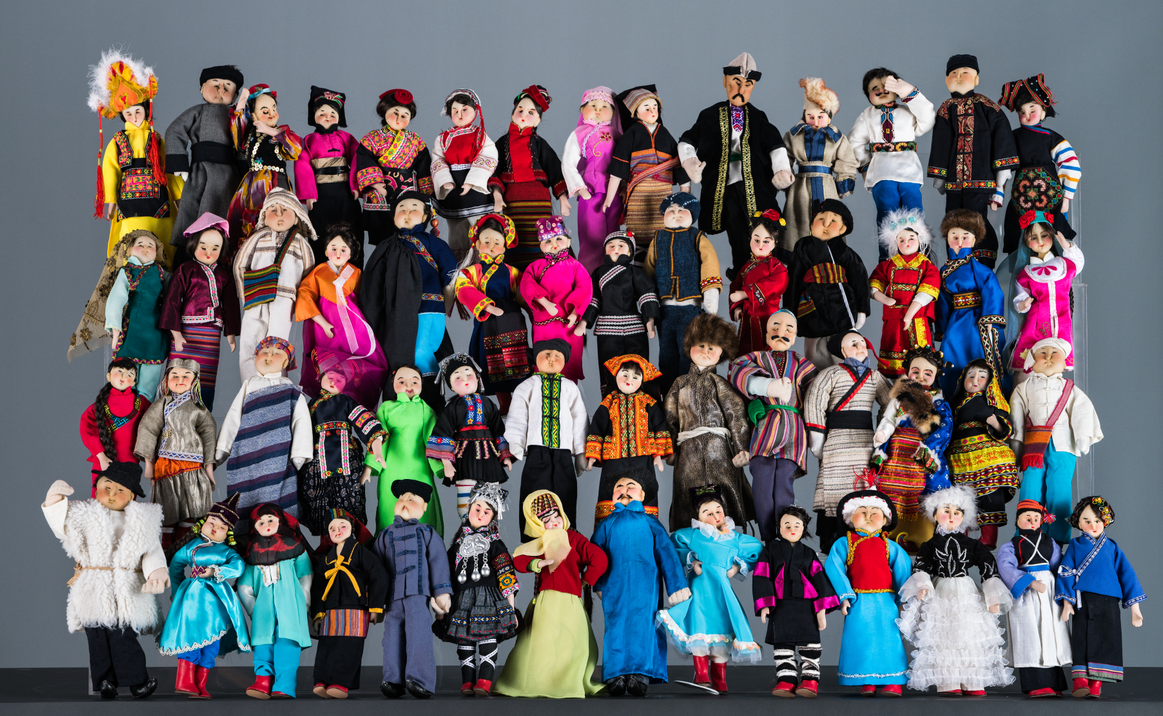
3. 56 Ethnic Groups: A Living Cultural Lesson
Multi‑ethnic, multilingual and multi‑cultural life will make your overseas study journey rich and colourful. You can learn standard Chinese characters in class, and experience ethnic festivals, costumes, music and local food during your travels. You will discover a vivid, three‑dimensional China beyond textbooks. For students of linguistics, anthropology or ethnology, China acts as a natural open research field. Every trip you take can turn into a field investigation.
4. Why Start Your Journey Now?
Language is the gateway to culture, and China opens a deeply‑rooted world of civilisation. When you appreciate both the formal beauty of Mandarin and the lively warmth of local dialects, your understanding of China and East‑Asian civilisation will go far beyond learners who only know standard Chinese. After studying in China, you will take away not only fluent Chinese, but also the vision to appreciate cultural diversity — one of the most‑sought‑after global competencies in today’s world.
Studying in China is about much more than language; it is an adventure into civilisation. Follow us for more study‑in‑China application tips and Chinese‑learning resources.